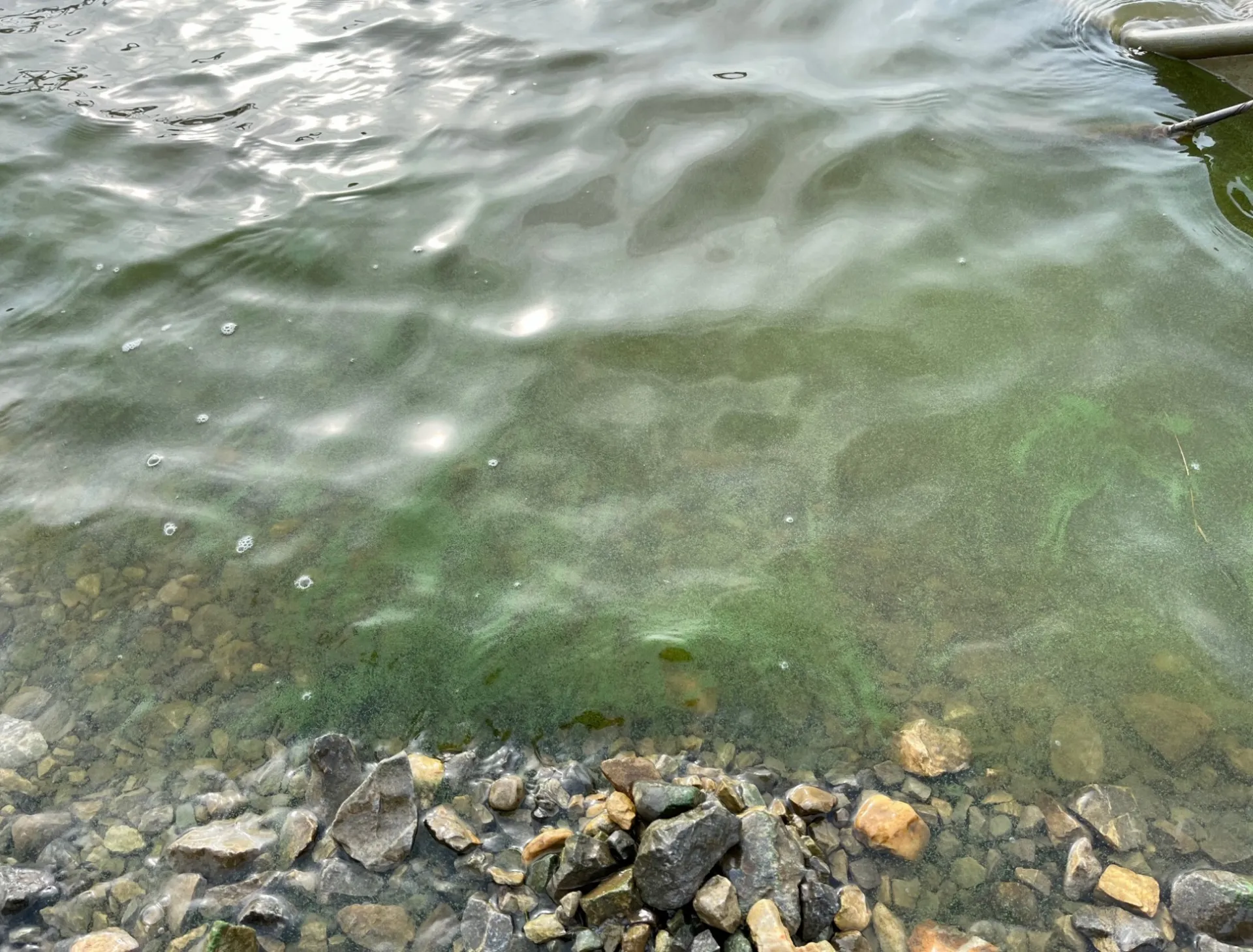
Phytoplankton Guide
Phytoplankton are photosynthesizing organisms that form the base of aquatic ecosystems, meaning that they are a vital part of all subsistence aquatic food systems and they specifically support all of the marine species relevant to people in Kotzebue. Phytoplankton produce a significant amount of the oxygen we breathe, too! They are also particularly responsive to changes in nutrient concentration, light availability, and temperature, which makes them a useful point of study for understanding how environmental conditions are changing (NOAA “Phytoplankton”).
Commonly Occurring Phytoplankton
Overview
A brief overview of each of the phytoplankton species related to the marine life in Kotzebue.

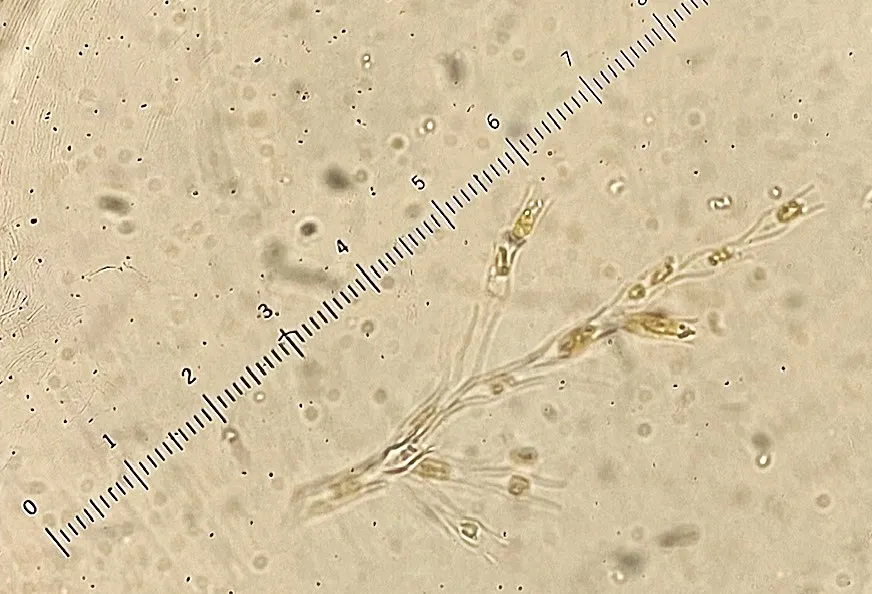
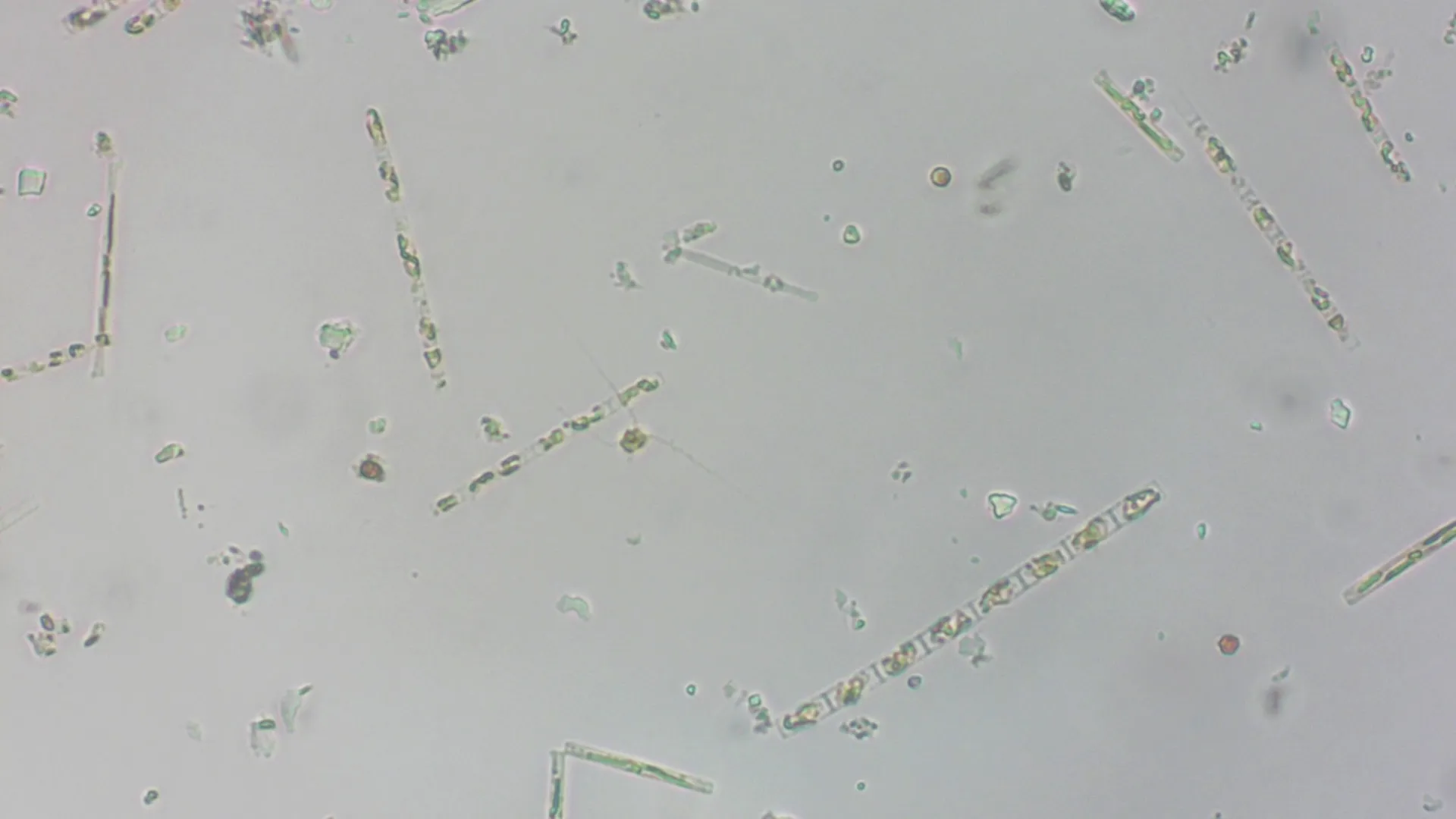
Thalassionema nitzschioides is a coastal photosynthetic diatom that typically forms star-shaped or zigzag chains. Its cells measure 10-110 μm in length, 2-4 μm in width, and 3-8 μm in height. T. nitzschioides thrives in salinities up to 37.775 psu and temperatures from 10 to 20°C. Found mainly in temperate regions, especially nutrient-rich upwelling zones, it blooms seasonally in high-productivity areas.
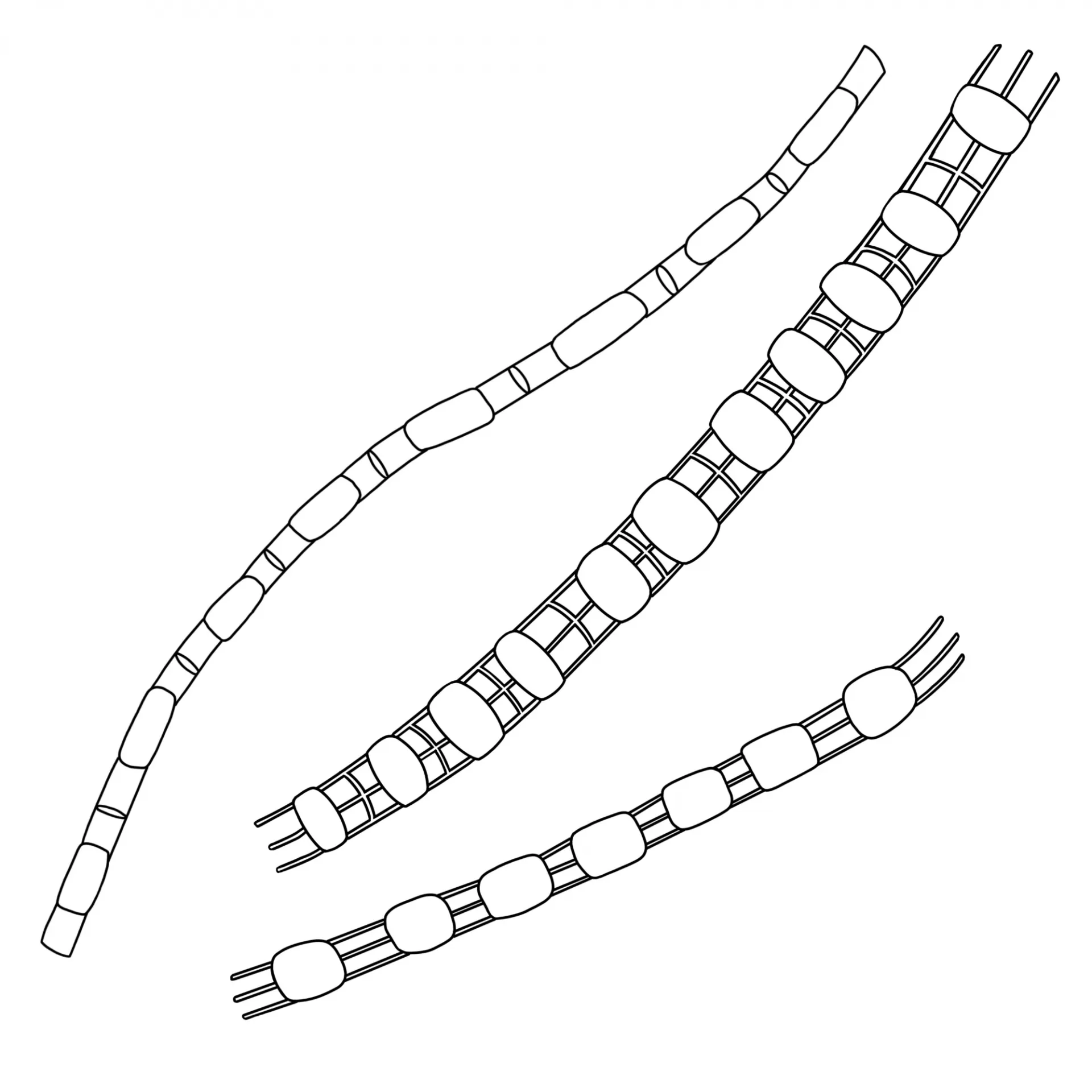
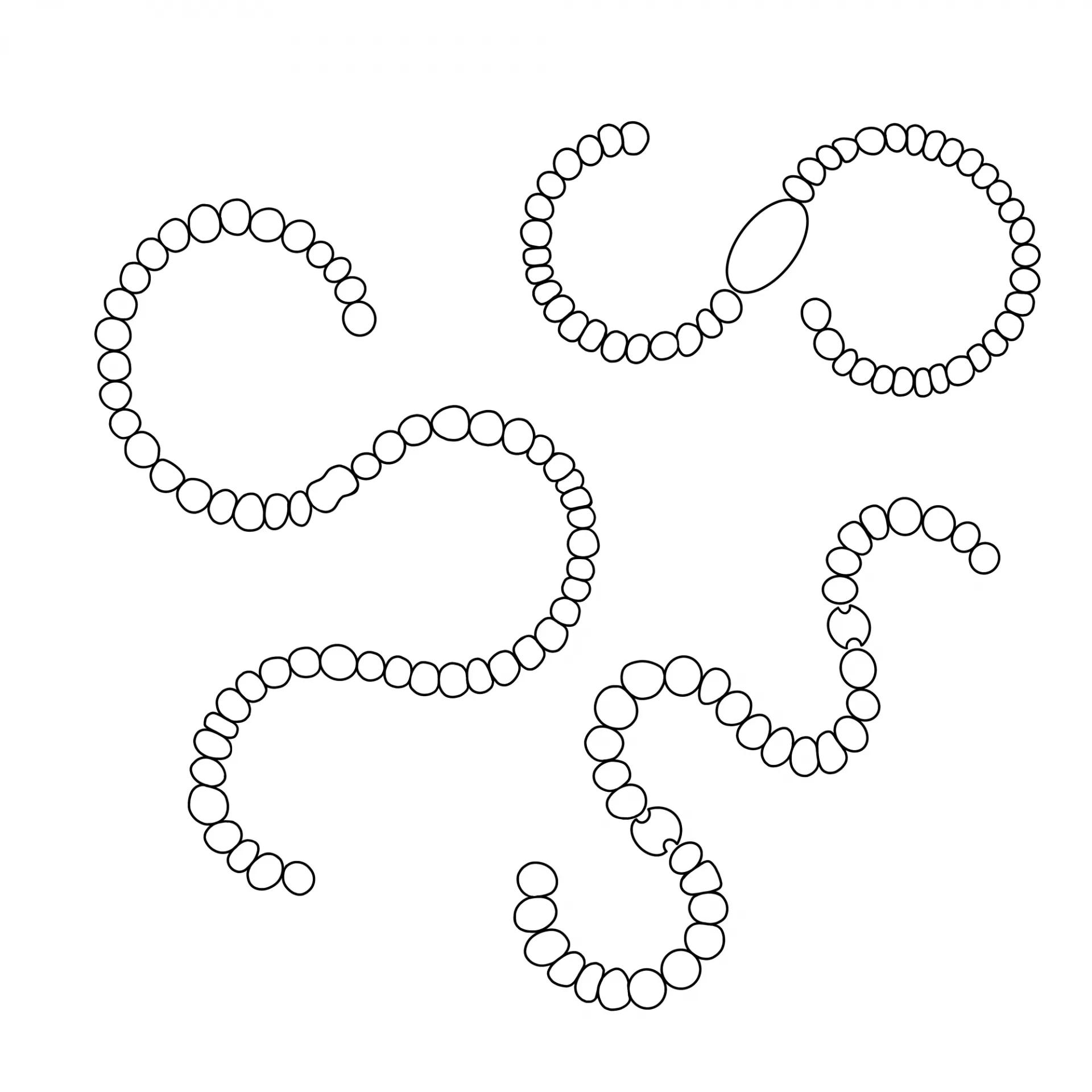
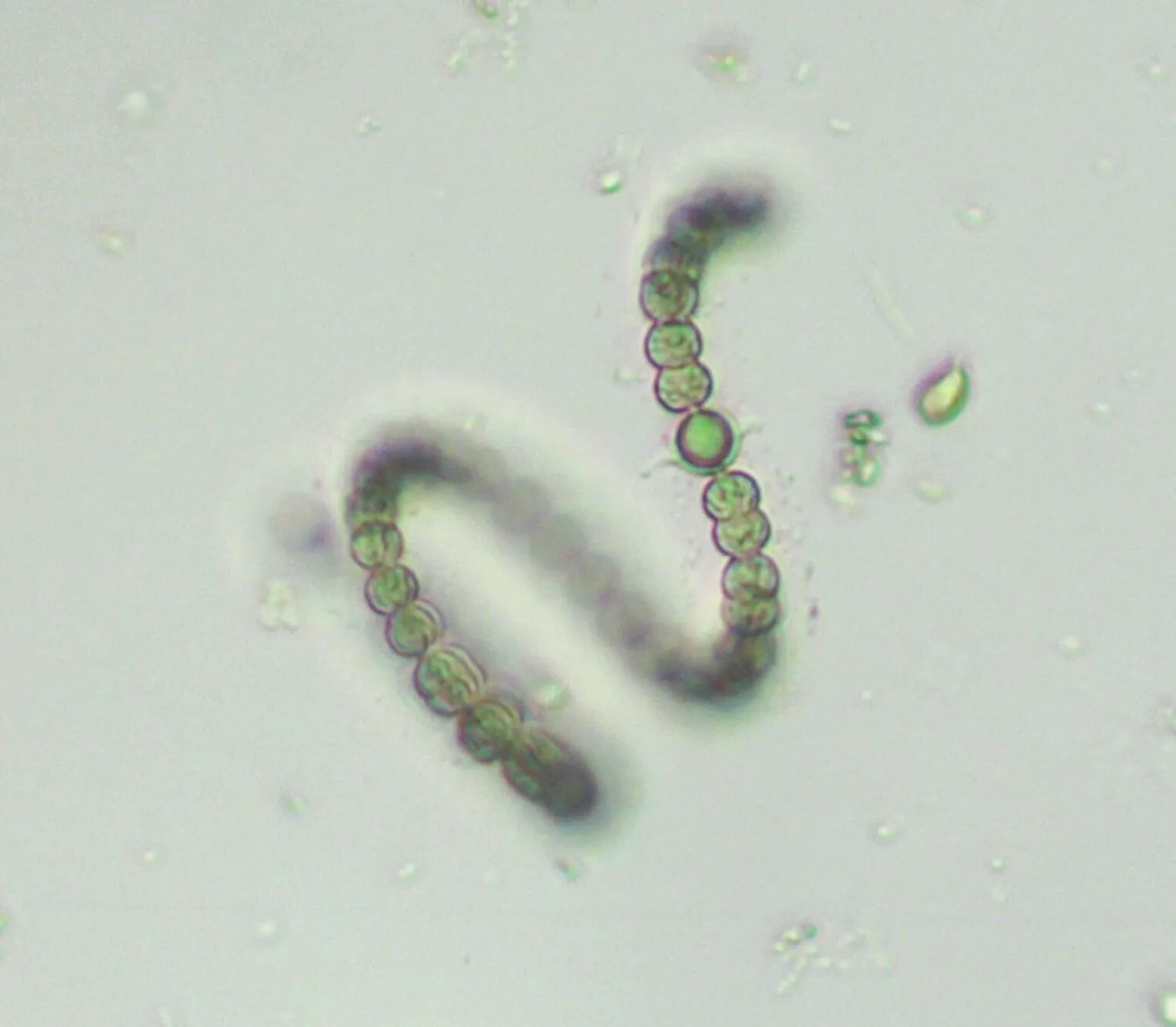
Dolichospermum is a genus of cyanobacteria that is found in freshwater and brackish water and forms dense blooms in nutrient-rich conditions. Cells are spherical to oval, forming long filaments that aggregate in colonies. Dolichospermum has specialized heterocytes for nitrogen fixation, and some blooms release harmful toxins like microcystins, cylindrospermopsin, and anatoxins. The presence of toxins depends on environmental conditions, including temperature and light, but not all blooms are toxic. Dolichospermum thrives at a temperature range of 15-20°C.
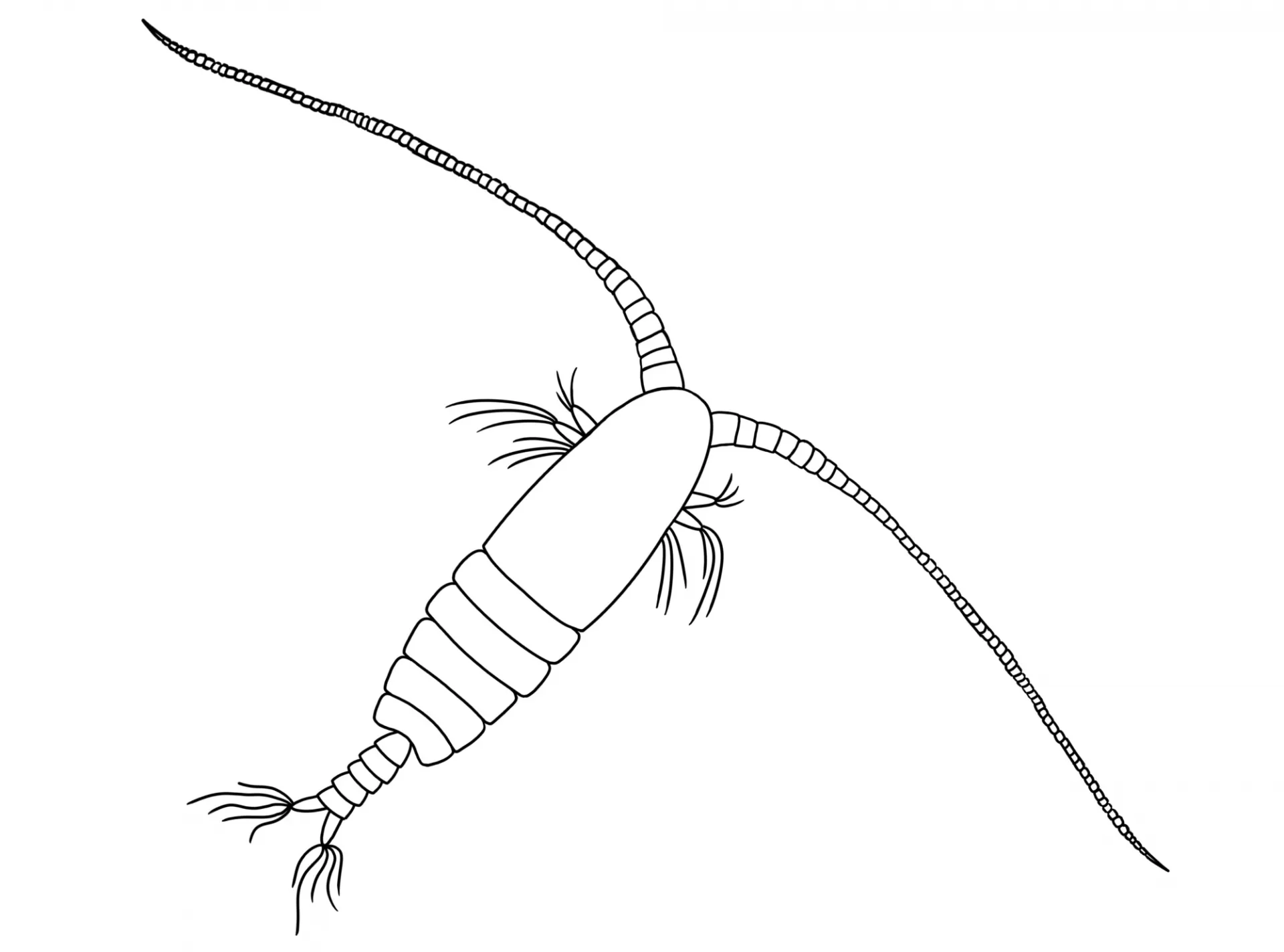
Calanus pacificus is a type of zooplankton found in coastal waters, specifically throughout the Pacific Ocean. C. pacificus has long antennae and a body length of 2.5-4 mm, and feeds on diatoms, dinoflagellates, and microplankton. Essential to marine food webs, it transfers energy from primary producers to higher-level organisms like fish and marine mammals. The subspecies C. pacificus californicus can carry White Spot Syndrome Virus (WSSV), which commonly affects shrimp populations found in the same water.C. pacificus thrives at a temperature range of 4-15°C.
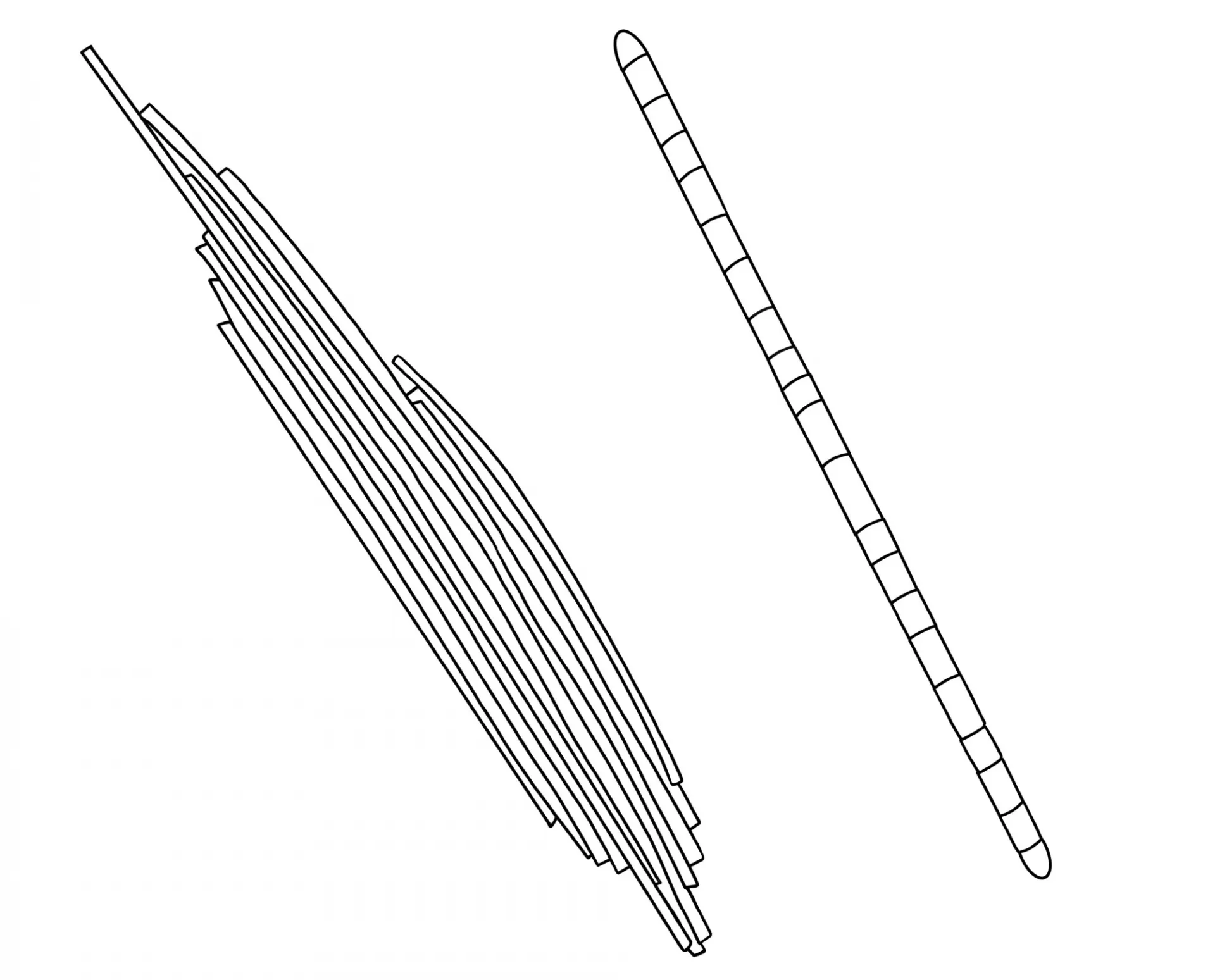
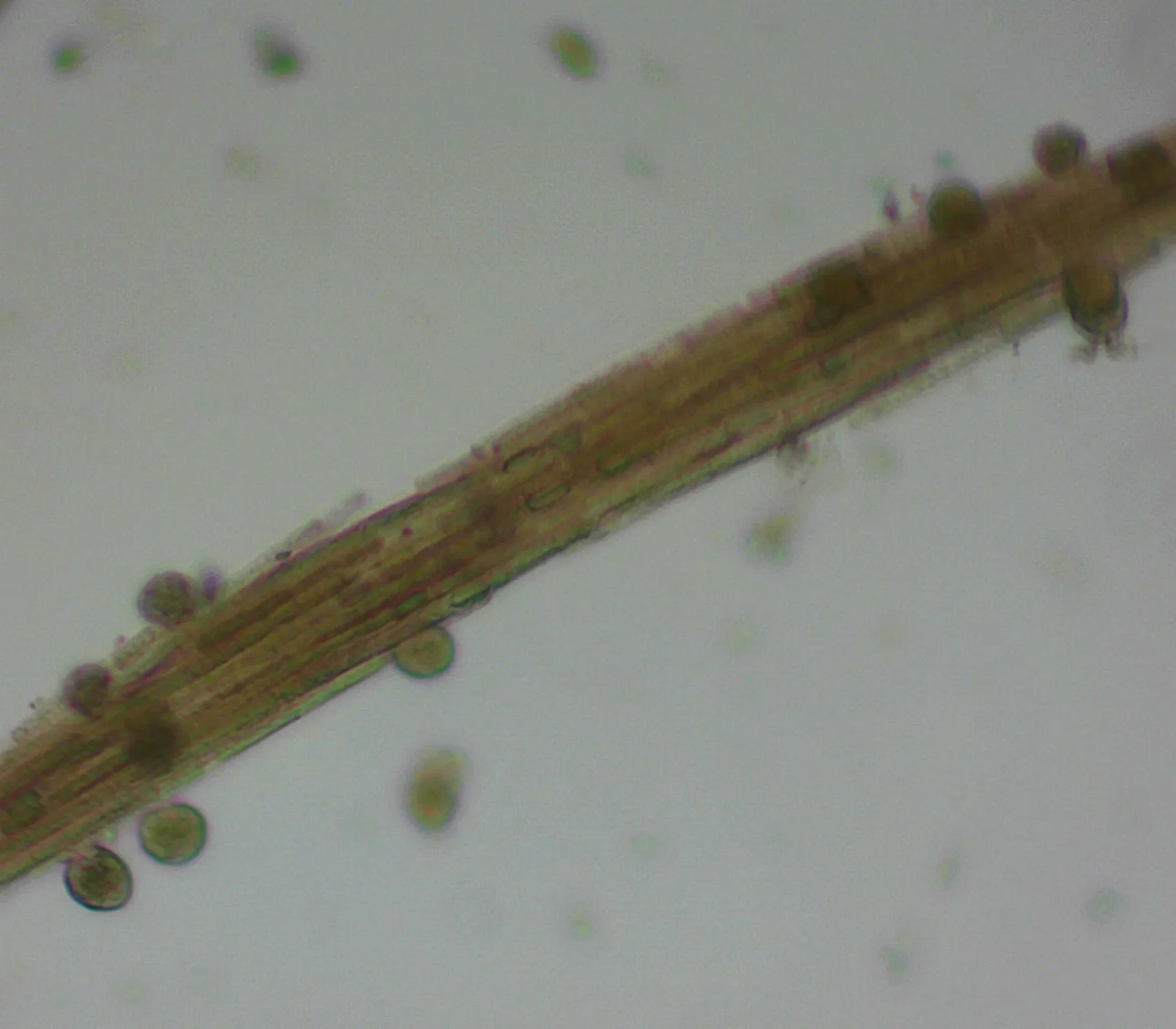
Aphanizomenon is a cyanobacterium commonly found in nutrient-rich freshwater systems. Its cells are cylindrical, 3-8 μm wide, and form long, end-to-end filaments that clump together to form colonies. Aphanizomenon often coexists with other cyanobacteria, such as Dolichospermum, forming blooms that include specialized heterocytes for nitrogen fixation. Toxicity varies by bloom, with some producing cylindrospermopsin, anatoxins, microcystins, saxitoxins, and BMAA, a nerve toxin. Toxins are released upon cell rupture and persist in water, influenced by sunlight and pH. Aphanizomenon thrives at temperatures of 10-30°C.
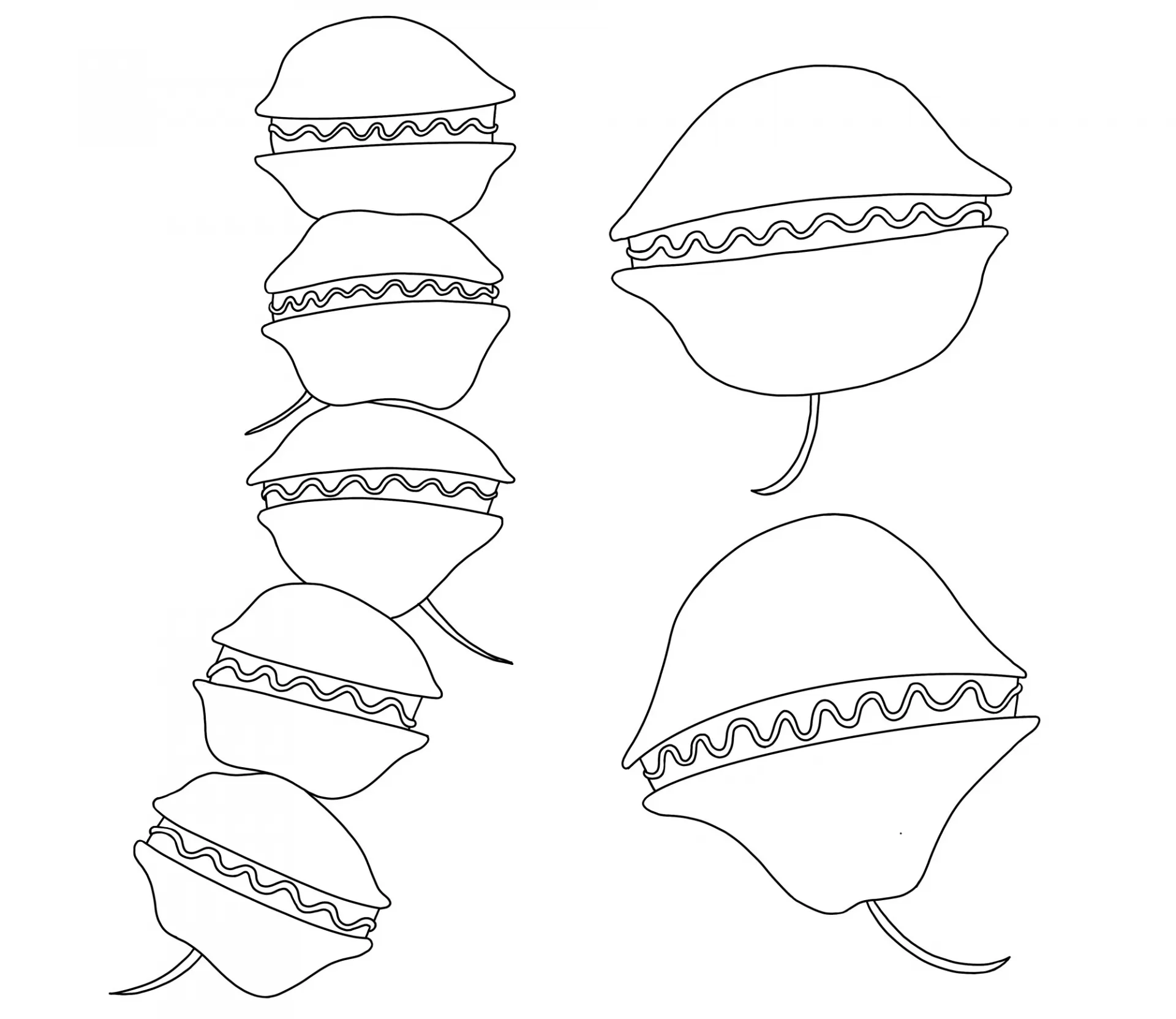
Alexandrium catenella is a photosynthetic marine dinoflagellate that is mainly found in coastal waters and is notable for its toxic blooms, which can produce paralytic shellfish poisoning (PSP) in the organisms that consume it. Its cysts are ellipsoid, measuring 38-56 μm in length and 23-32 μm in width. Cells often form chains of 2, 4, or 8, with snake-like swimming patterns and a pore plate with a fishhook-shaped opening. A. catenella thrives at temperatures of 17-23°C and salinities of 15-32.