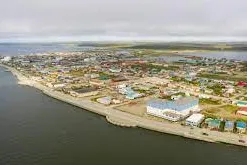
Welcome to the Kotzebue Phytoplankton Monitoring Project!
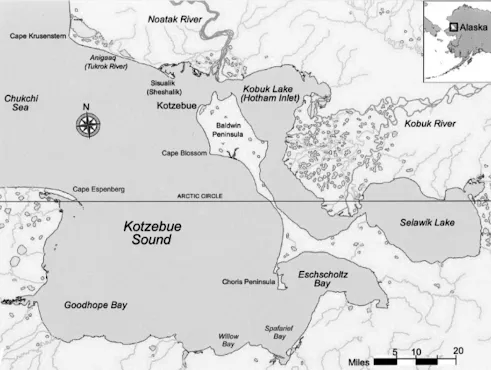
This collaboratively designed and enacted project aims to monitor changes in the phytoplankton community of the waters of Kotzebue, Alaska, with a particular focus on the risk of Harmful Algal Blooms (HABs).
Image Carousel with 3 slides
A carousel is a rotating set of images. Use the previous and next buttons to change the displayed slide
-
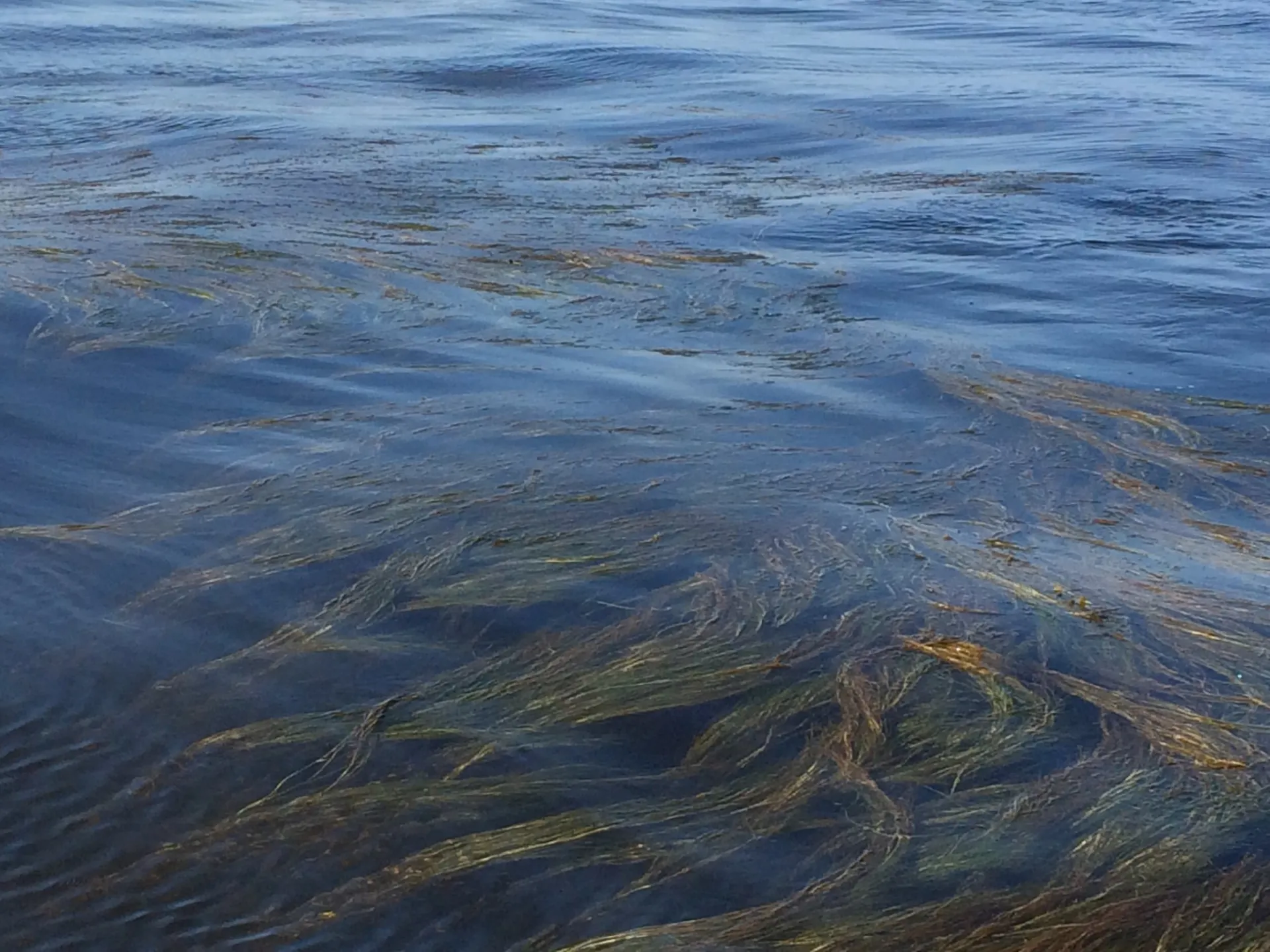
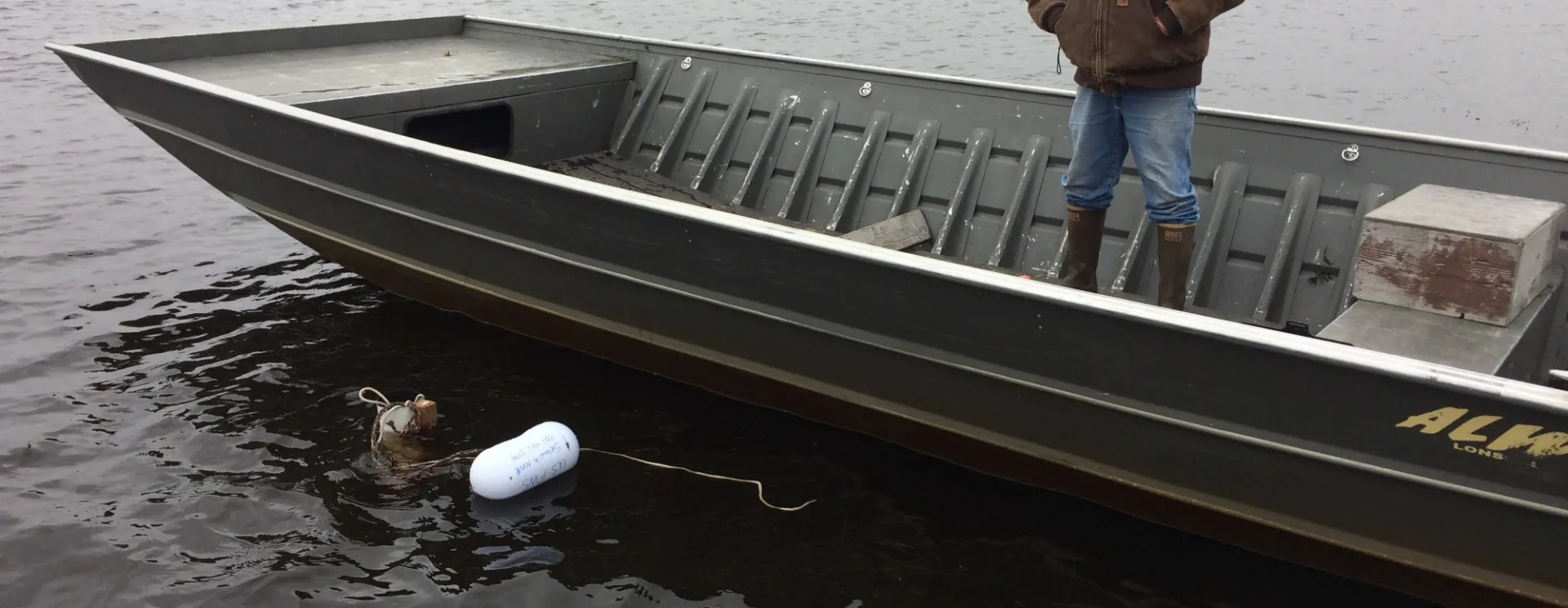
Slide 1: boat
-
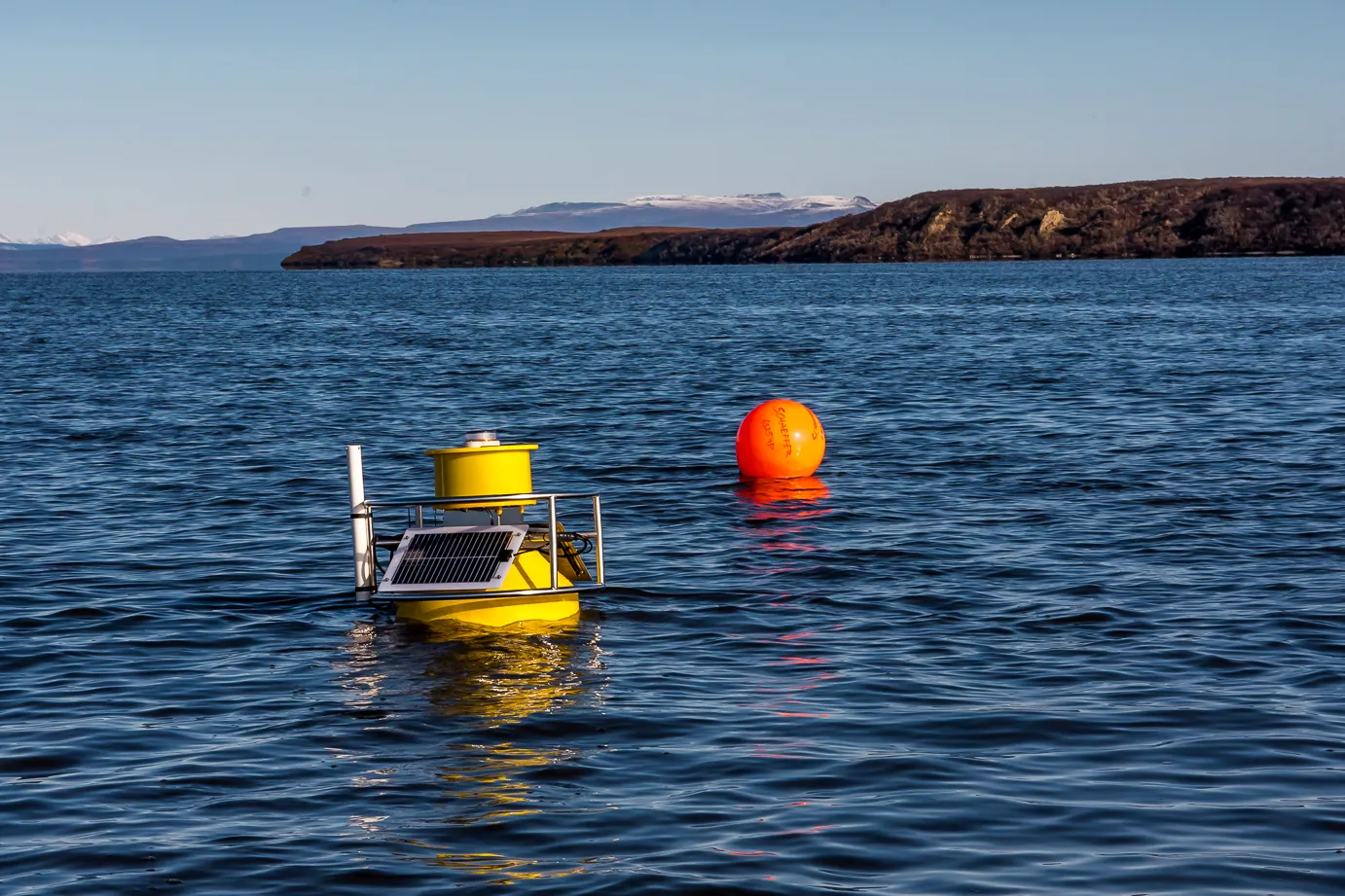
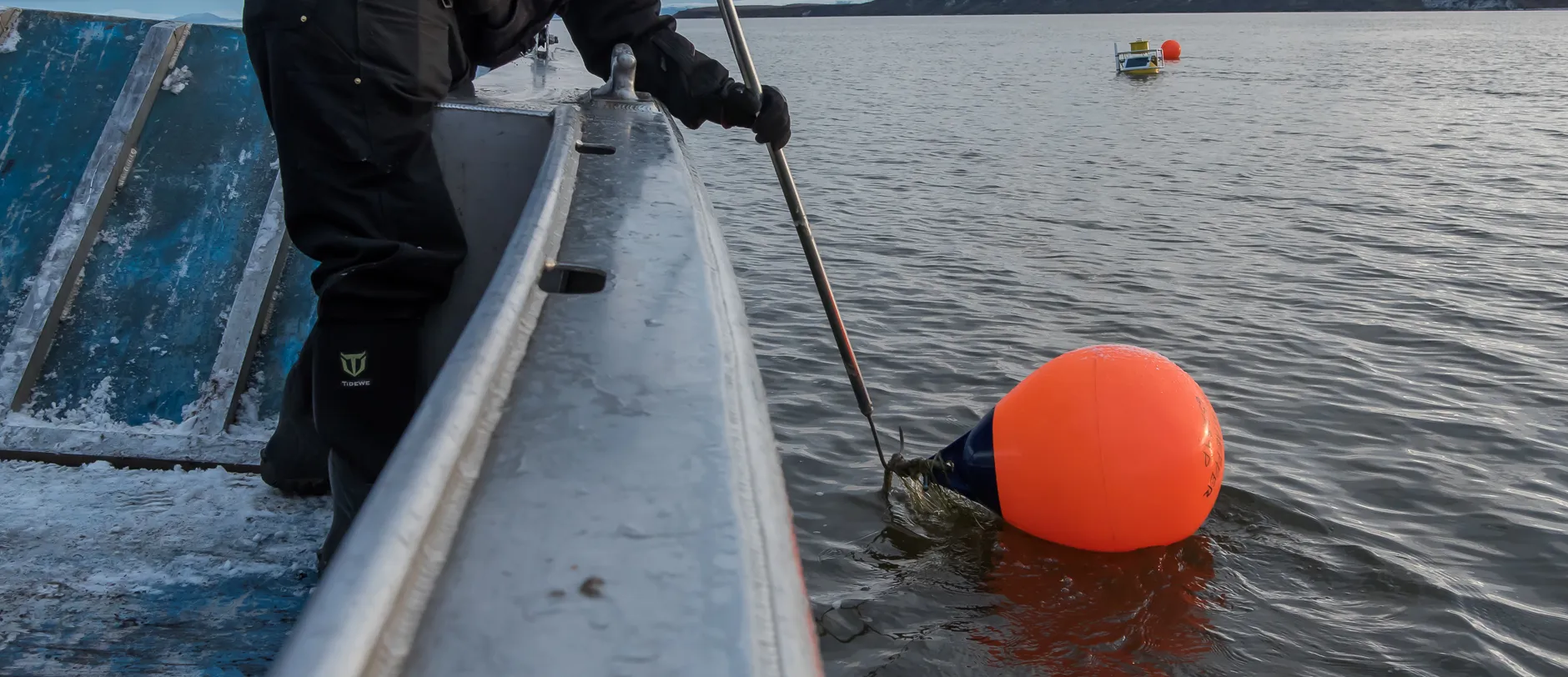
Slide 2: hook
-
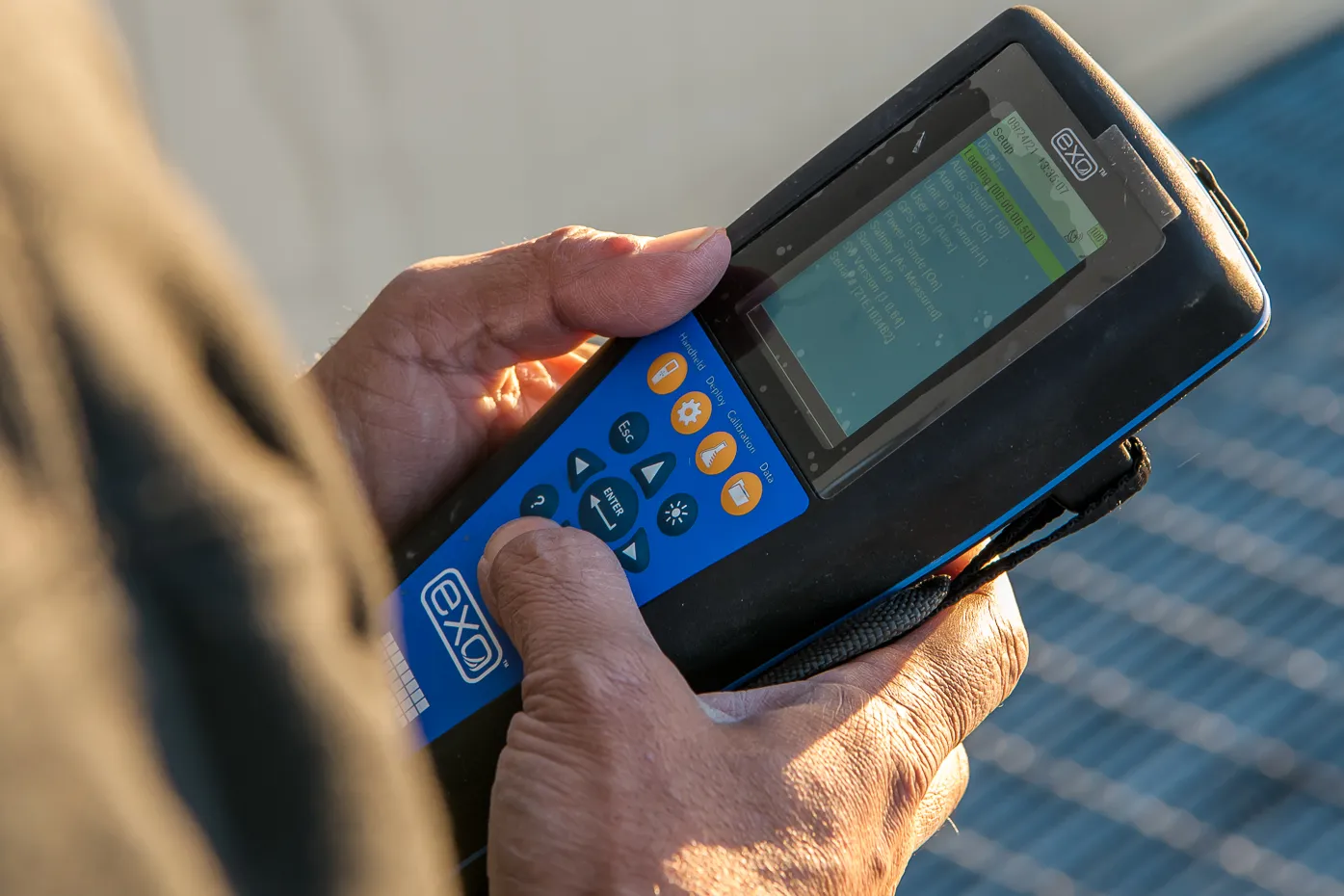
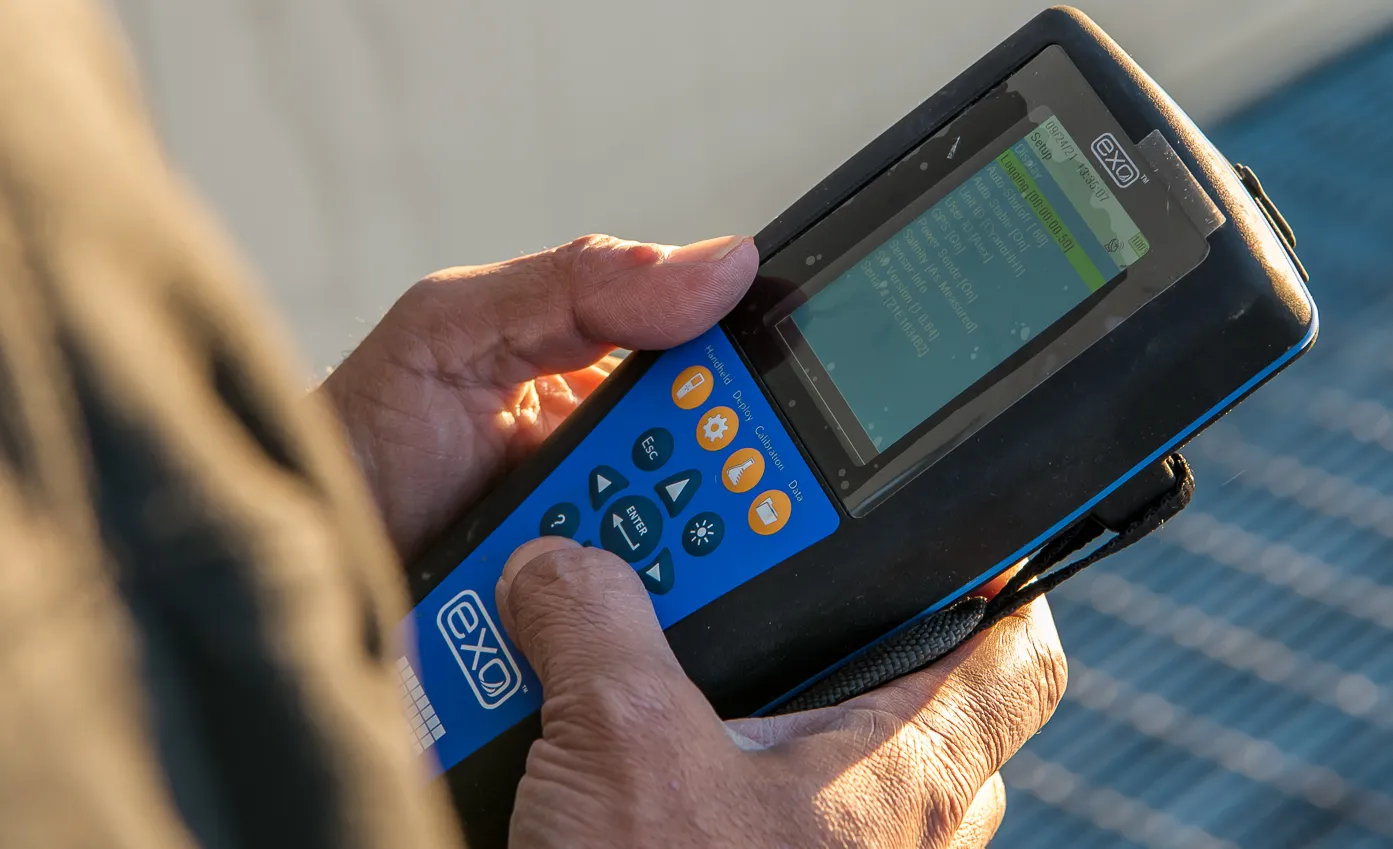
Slide 3: device
Our Motivation
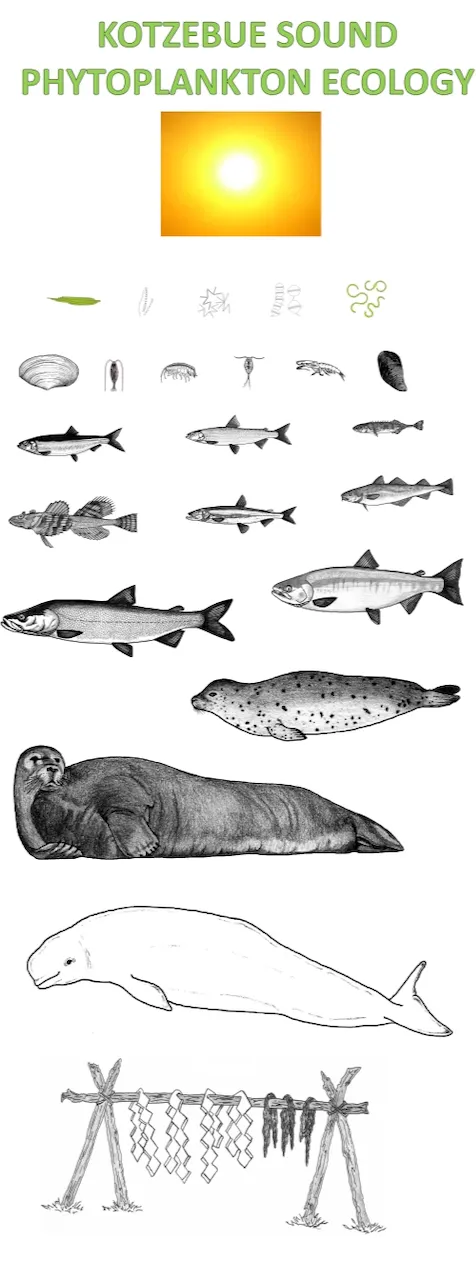
The annual surface air temperature in the Arctic was the second warmest since 1900 and the last nine years are the warmest nine years on record for the Arctic (NOAA Arctic Report 2024). Arctic precipitation has shown an increasing trend from 1950 to 2024 and the summer of 2024 was the wettest year on record. While the communities that live in the Arctic know these facts first hand, the impact of a warming Arctic on the food web is harder to quantify. Fish and marine mammals harvested from the waters surrounding Kotzebue provide 70% of the total annual wild food harvest and just as importantly, products such as seal oil are culturally and spiritually important to the Iñupiat people. Thus, knowledge about changes to the food web is critical, not just to the people of Kotzebue but to the larger community since these changes are emblematic of change everywhere in the Arctic. Read more about the project here.
About Phytoplankton and Harmful Algal Blooms
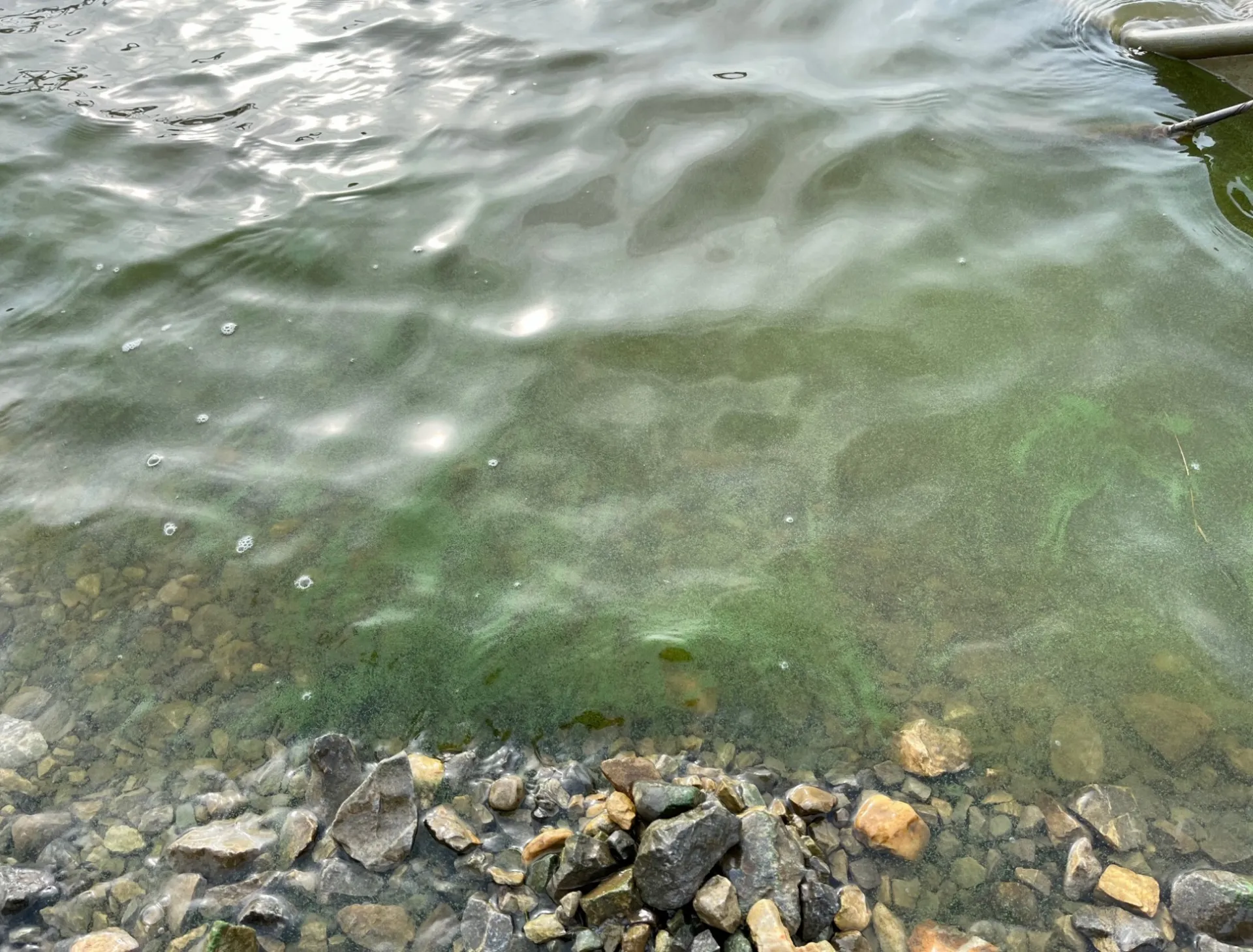
Phytoplankton are small, photosynthesizing organisms at the base of aquatic ecosystems. They are everywhere and are not inherently harmful. Harmful Algal Blooms (HABs), on the other hand, are a harmful overgrowth of toxic algae that harm the ecosystem. HABs are increasing in the Arctic with climate change, including in Kotzebue.
Placeholder
Lorem ipsum
Lorem ipsum
Lorem ipsum
Lorem ipsum
Lorem ipsum
Lorem ipsum
Lorem ipsum
Lorem ipsum
Lorem ipsum
Lorem ipsum
Lorem ipsum
Lorem ipsum
Lorem ipsum
Lorem ipsum
Lorem ipsum
Lorem ipsum
Lorem ipsum
Lorem ipsum
Commonly Occurring Types of Phytoplankton
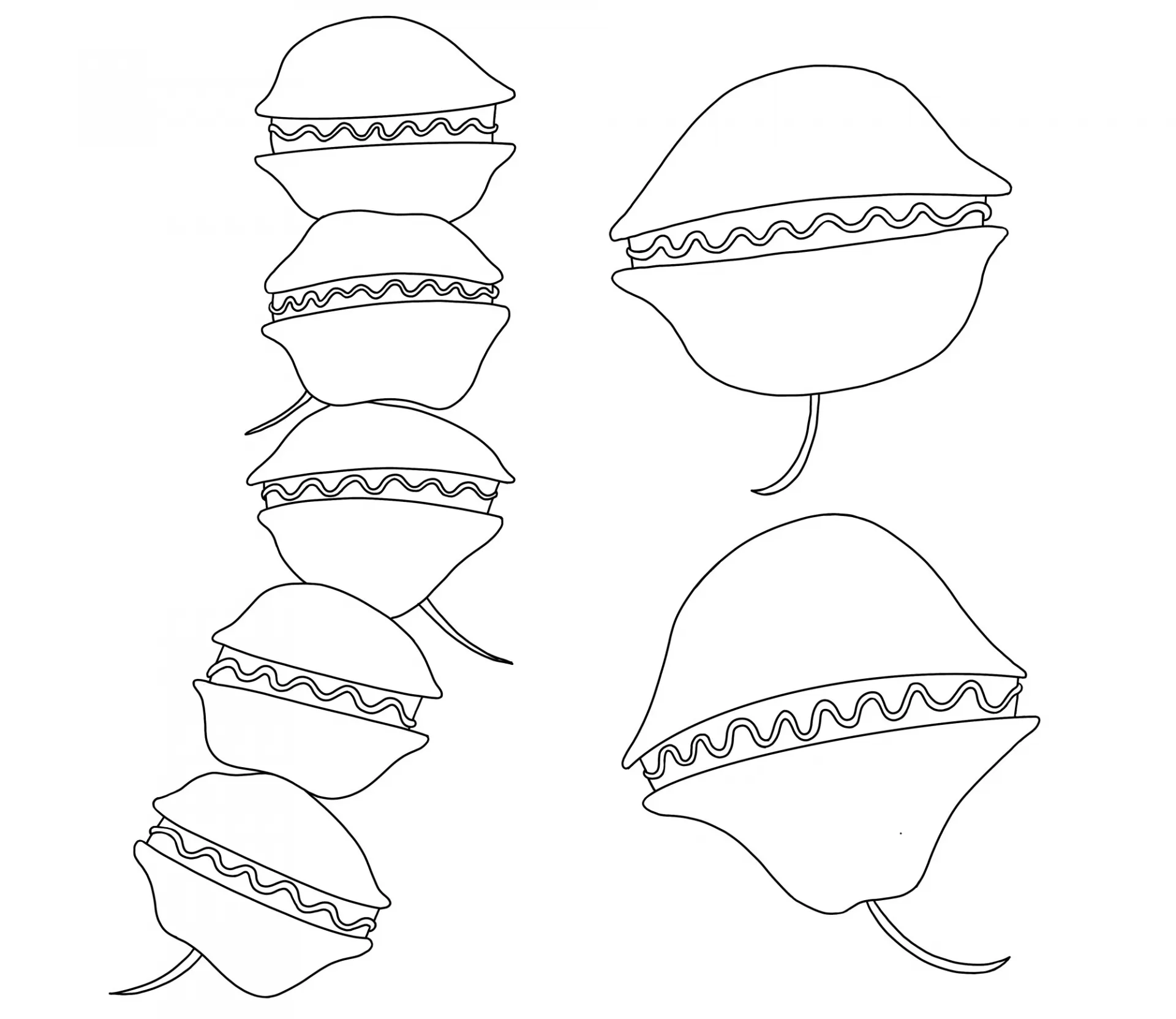
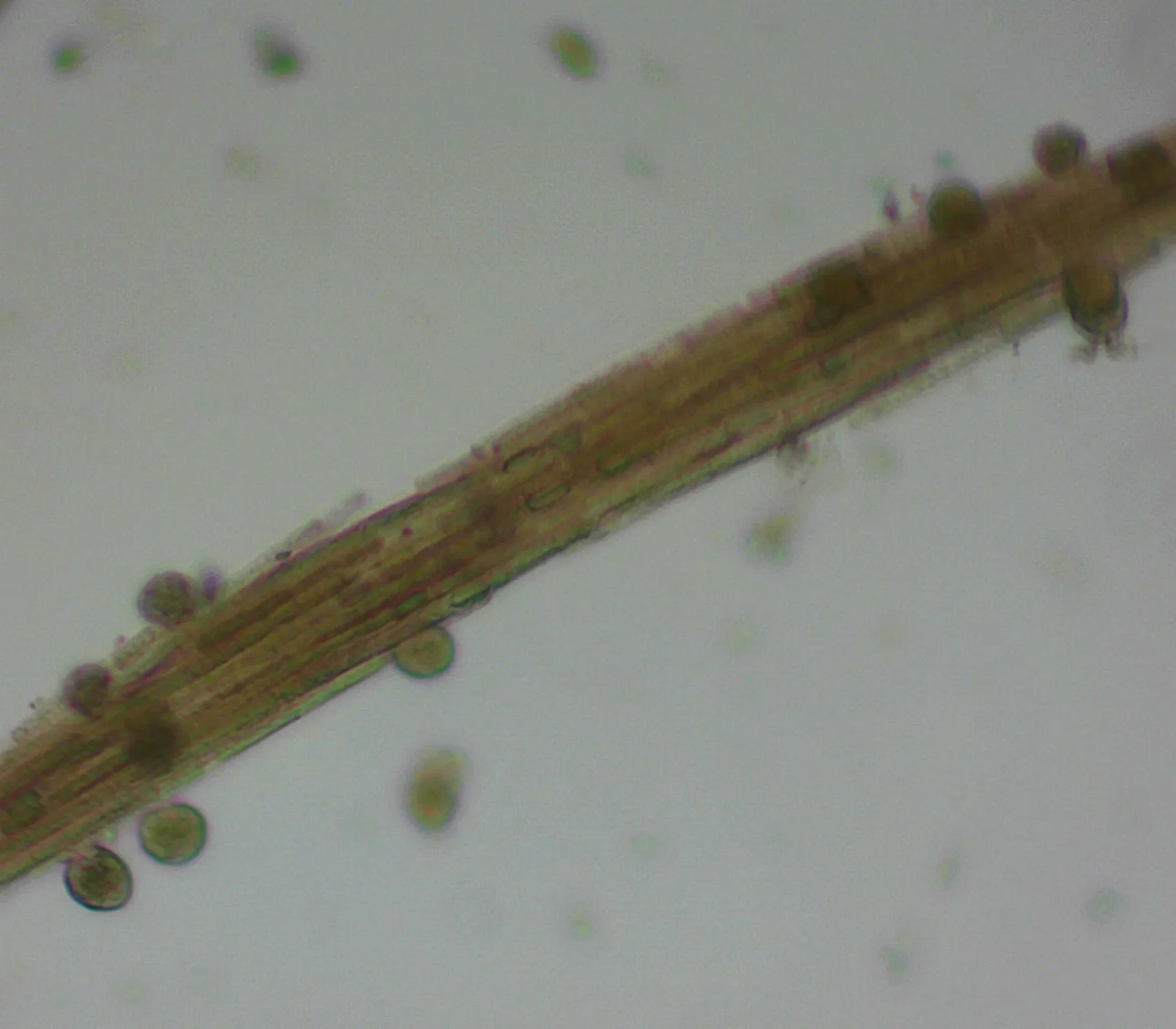
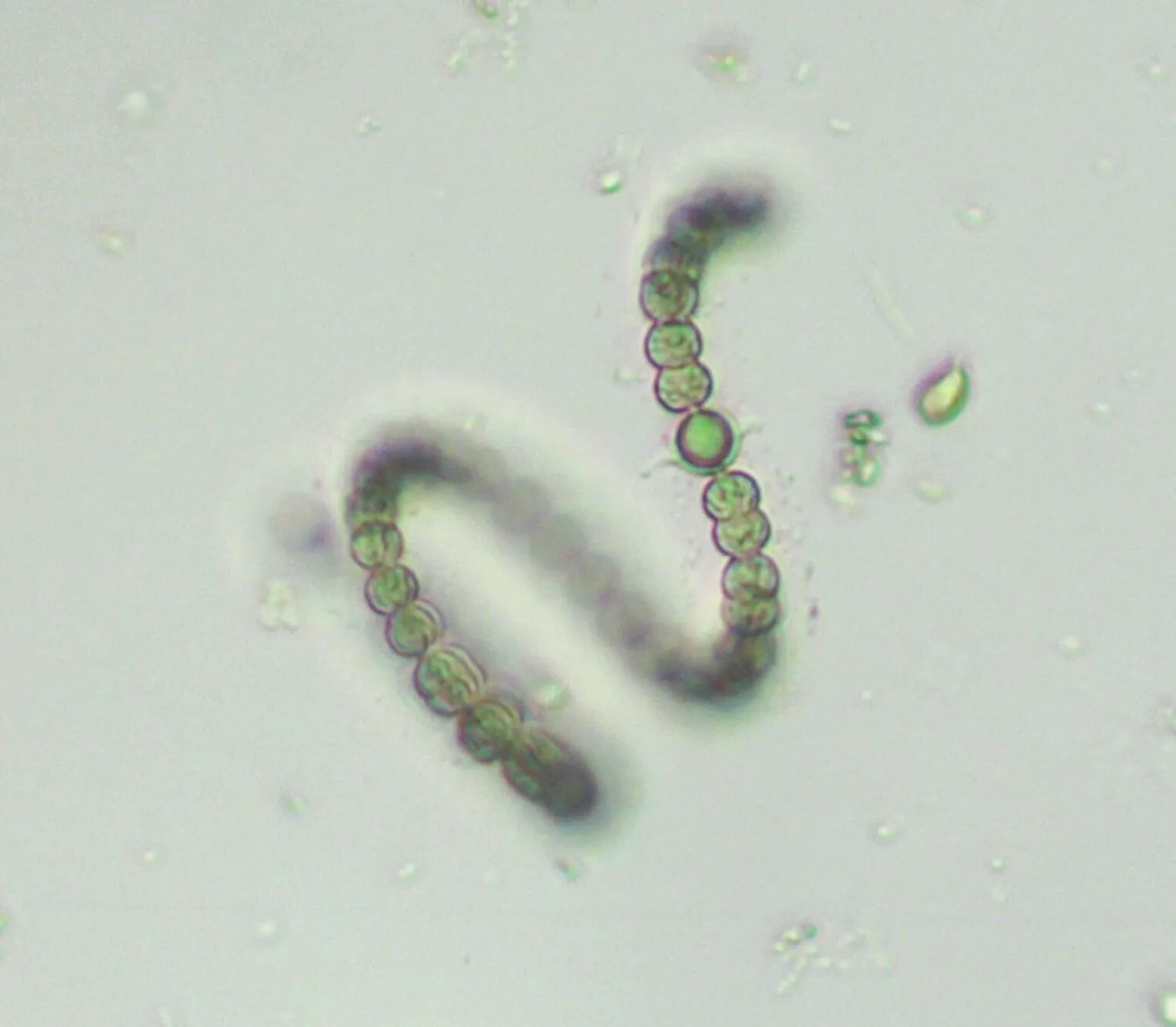
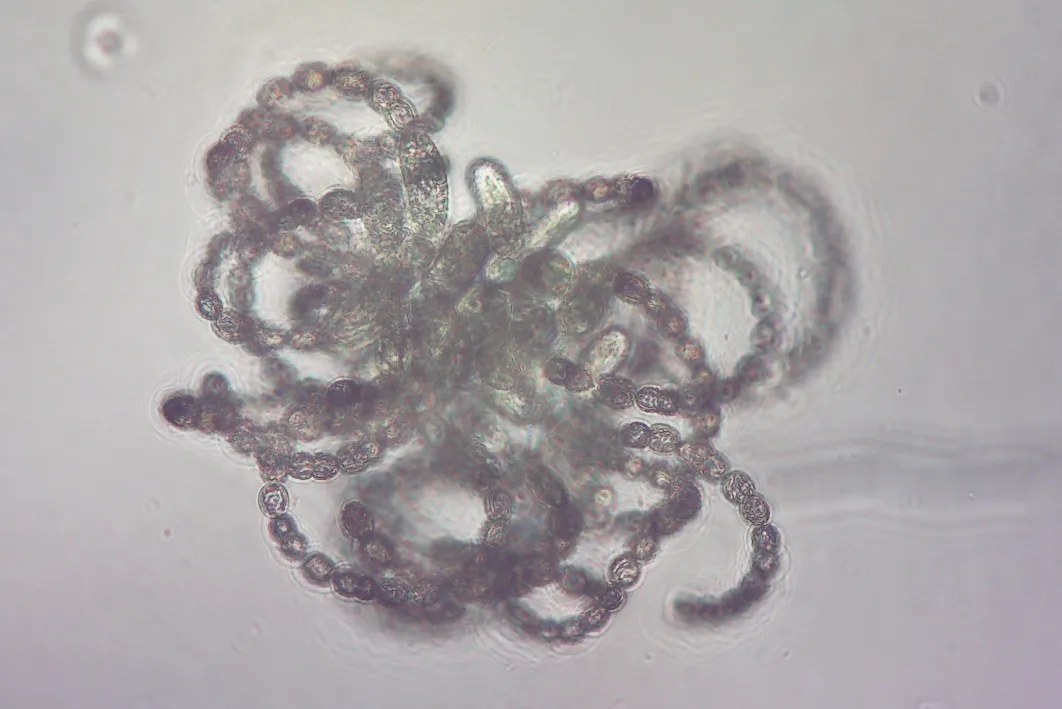
A weekly journal maintained by Alex Whiting, Environmental Program Director for the Native Village of Kotzebue (NVOK) first noted the incidence of blooms off Kotzebue in 2008 that was subsequently identified as cyanotoxin containing species of Aphanizomenon sp., Nodularia sp., and Dolichospermum sp. (Thessen et al 2012). Anderson et al (2021) have reported the largest known cyst beds of Alexandrium catenella, a toxic dinoflagellate, just offshore of Kotzebue Sound, in the Chukchi Sea. Blooms of this organism have since been reported annually there. There have been mass mortality events such as the Herring kill event in the Fall of 2021 that resulted in 1000s of dead fish washing up onshore around Kotzebue. Not knowing whether the fish were safe to consume because the cause of death was not known resulted in a potential waster of an important food source to the community.
Read more about phytoplankton and HABs in our phytoplankton guide!